nexgentaxes.com

By NexGen Support Team

January 23, 2026

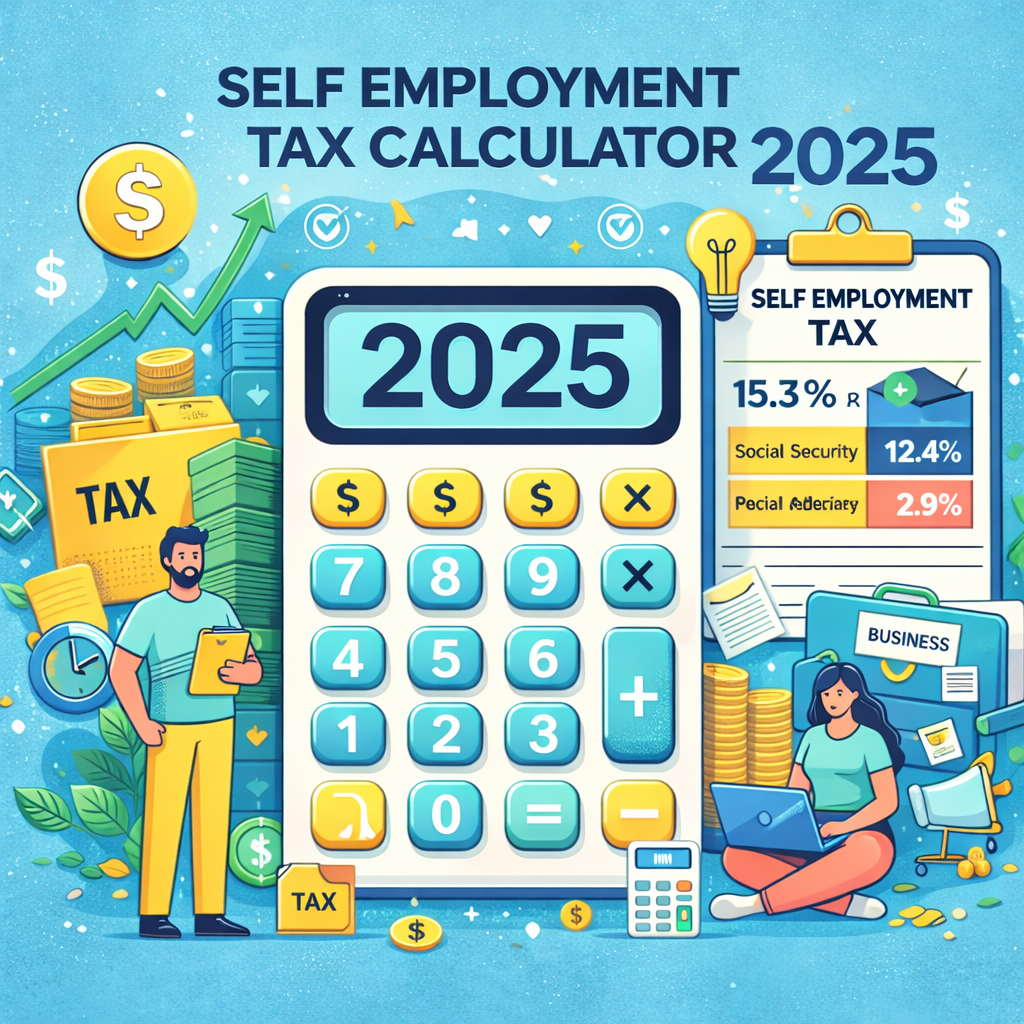
Self-Employment Tax Calculator 2025

Calculate your SE tax, deductions, and quarterly estimated payments for Schedule C and 1099 income.

Calculate Your Self-Employment Tax

If you're a freelancer, contractor, or small business owner, you're responsible for paying self-employment tax in addition to income tax. This calculator helps you understand your SE tax obligation.

  • 15.3% SE tax rate (Social Security + Medicare)
  • Deduct half of SE tax from income
  • Calculate quarterly payment amounts
  • 2025 Social Security wage base: $168,600

Your Self-Employment Income

Schedule C net profit (after expenses)
Affects Social Security wage base
Interest, dividends, etc.

Self-Employment Tax Results

Total SE Tax
$0
Net SE Income$0
Taxable SE Income (92.35%)$0
Social Security Tax (12.4%)$0
Medicare Tax (2.9%)$0
Additional Medicare (0.9%)$0
SE Tax Deduction (50%)$0

Quarterly Estimated Payment

$0 per quarter

Need Help With SE Taxes?
Our experts specialize in self-employment tax planning.
Get Expert Help

How Self-Employment Tax Works

1

Calculate Net Income

Start with gross revenue minus business expenses.

2

Apply 92.35%

Only 92.35% of net income is subject to SE tax.

3

Calculate Tax

Apply 15.3% rate (12.4% SS + 2.9% Medicare).

4

Deduct Half

Deduct 50% of SE tax from your income tax.

Frequently Asked Questions

What is self-employment tax?+
Self-employment tax is the Social Security and Medicare tax for self-employed individuals. Unlike employees who split these taxes with their employer, self-employed people pay both portions (15.3% total).
How is SE tax calculated?+
SE tax is calculated on 92.35% of your net self-employment income. The rate is 15.3%: 12.4% for Social Security (up to $168,600 in 2025) and 2.9% for Medicare (no cap).
Can I deduct self-employment tax?+
Yes! You can deduct half of your SE tax as an above-the-line deduction. This represents the "employer" portion and reduces your adjusted gross income.
Do I need to pay quarterly?+
If you expect to owe $1,000 or more in taxes, you should make quarterly estimated payments. Due dates: April 15, June 15, September 15, January 15.
What forms do I need?+
You'll need Schedule C (business income), Schedule SE (self-employment tax), and Form 1040-ES for quarterly payments.

Maximize Your Deductions

NexGen Taxes specializes in helping self-employed individuals minimize their tax burden legally.

View Our Services